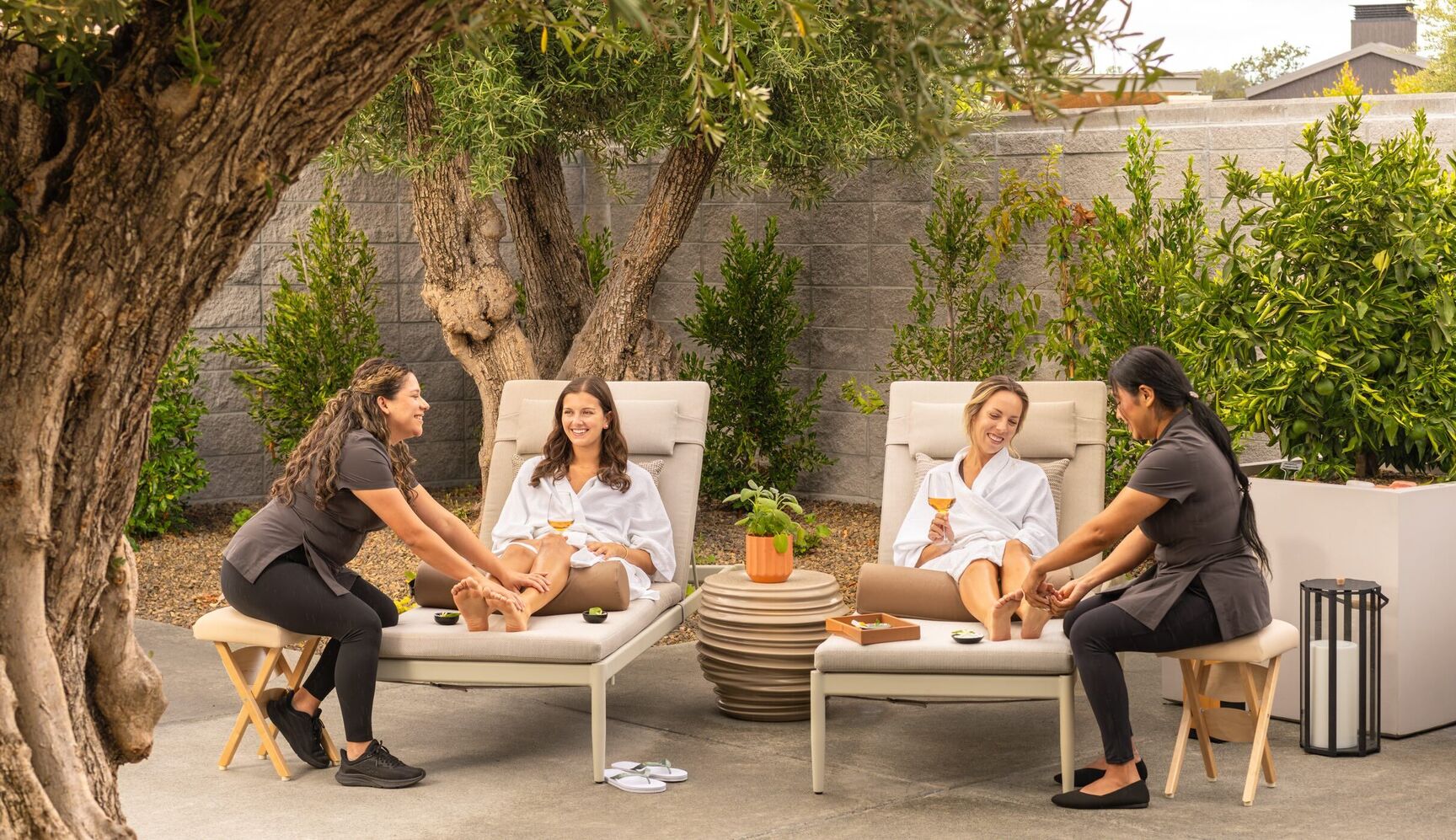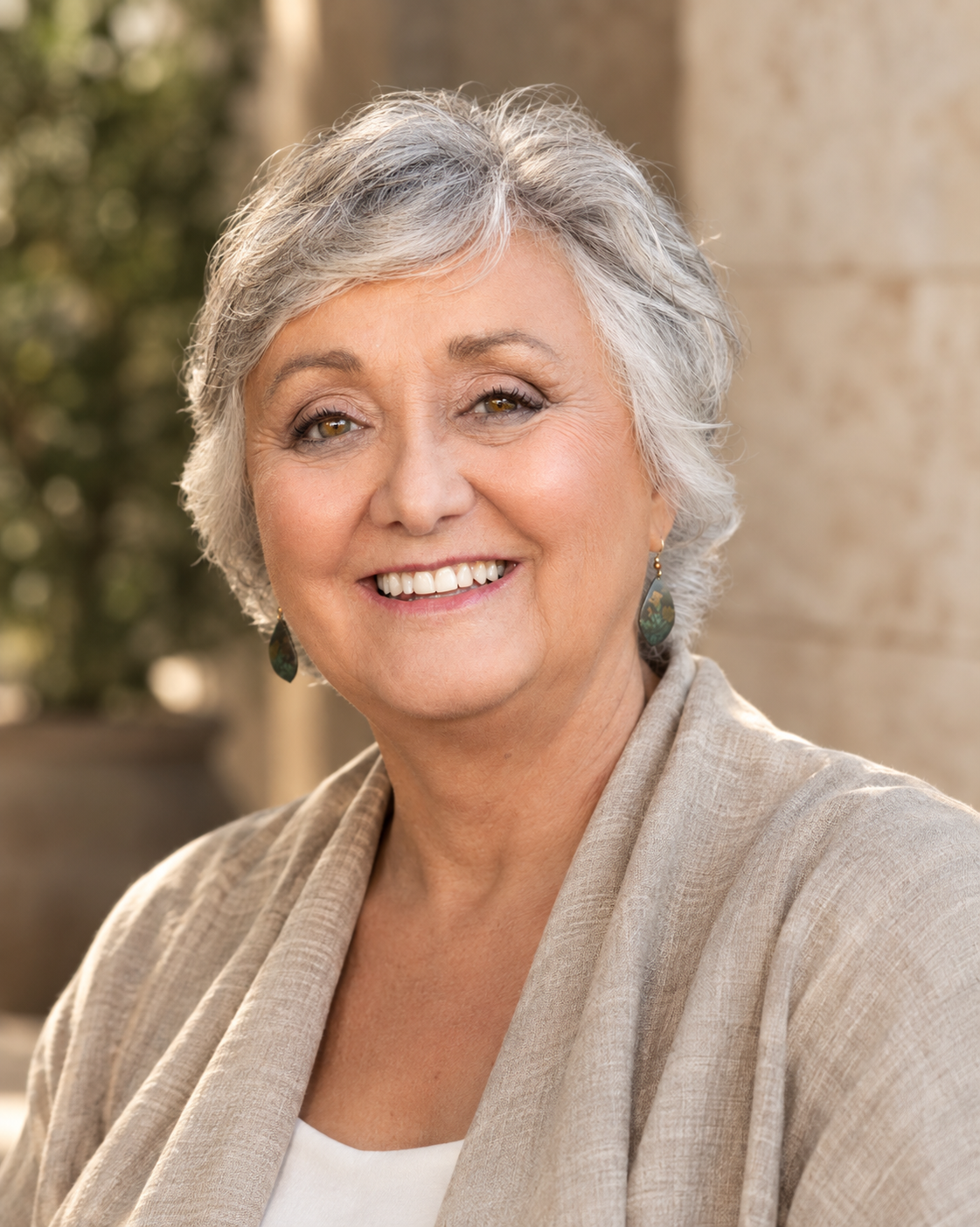
Gigi Richardson has spent more than two decades shaping how luxury properties make people feel.

Gigi has designed, led and elevated wellness programs in luxury hospitality — from an award-winning destination spa at the edge of Yosemite to a new resort spa in the hills of Sonoma County.
Her work is recognized for an unusual thing in this industry: warmth. The kind that does not announce itself. A guest experience choreographed so carefully that nothing feels choreographed at all — only generous, attentive, and deeply human.
A licensed massage therapist as well as a director, she has spent real hours in the treatment room rather than only in meetings about it — and can move from the language of touch and ritual to the arithmetic of a room's capacity without changing register.
Her twenty years in service did not run in a straight line through spa management, and that is much of the point. Luxury retail taught her clienteling — reading a person’s taste, remembering it, the discretion that makes someone feel known rather than sold to. Managing client relationships for a corporate services firm taught her to keep a difficult account steady. The treatment room taught her the rest.
She has always worked in the space between the beautiful idea and the thing that actually runs. Today that means bringing the same eye to properties finding their own version of it — as a builder, an advisor, or the steady hand in the room.
Gigi has spent enough time in locker rooms, laundries, staff meetings and opening-day chaos to know that an effortless spa experience is never effortless behind the curtain. Someone solves the schedule, the room turn, the callout, the group arrival.
The interesting work sits exactly there — between what a guest should feel and the operation that has to produce it, without sacrificing either one.
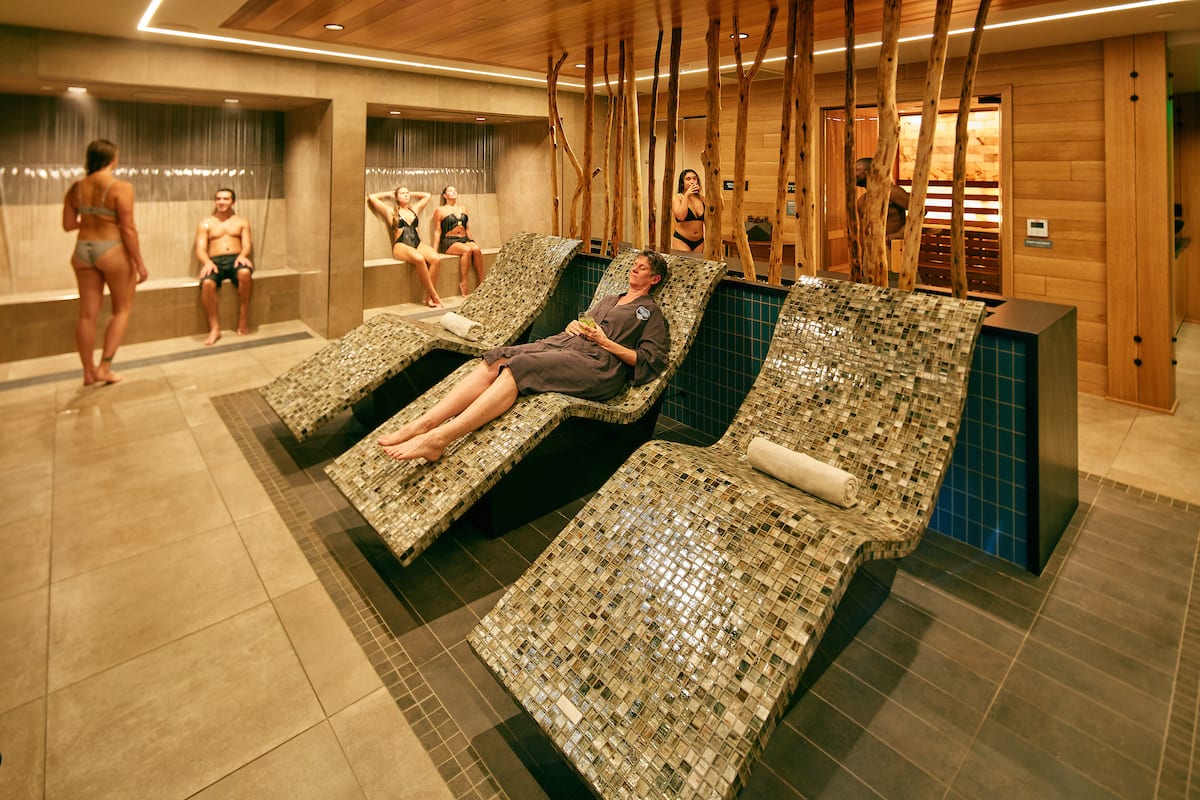
“The indoor/outdoor spa integrates a signature combination of stone, sound, scent, and warmth inspired by Yosemite’s magnificent waterfalls, granite formations, glaciers, and hot springs.”Gigi Richardson
Gigi’s training framework for delivering technical consistency and genuine warmth — from every provider, on every shift.
Most people who write training programs for therapists have never given the treatment. Gigi has. Heart to Hand comes out of the table itself: the difference between a provider working through a sequence and a provider actually paying attention to the person in front of them.
It is not a script. Scripts produce consistency and kill warmth. This teaches the why underneath each step, so a therapist can adjust in the moment without drifting from the standard.
The best treatment is not a sequence. It is a person paying attention.
What it teaches
The point is what remains afterward. A team trained this way holds the standard because it understands the reasoning behind it — not because someone is standing in the hallway watching. That is what lets Gigi build an experience and then hand it over intact.
One destination spa created from almost nothing, and one luxury opening turned into an operation that could actually run.
She imagined and opened Rush Creek Spa, then led spa and wellness across both properties. An indoor-outdoor circuit of stone, sound, scent and warmth drawn from Yosemite itself — waterfall coves, a salt sauna, warm river-rock immersion — and, behind it, the standards and staffing that let it feel effortless.

Opening leadership for a new luxury resort spa — the guest-facing concept and the machinery underneath it, at the same time. Scent, Sound, Stone as a ritual language on one side; capacity, staffing and the honest economics of a treatment room on the other.

“Rush Creek Spa was imagined by Spa and Wellness Manager Gigi Richardson… a perfect complement to a day exploring Yosemite’s great outdoors.”Lee Zimmerman, Co-Owner, Rush Creek Lodge
The lines between these blur, which is usually where it gets interesting.
Concept, guest journey, rituals, standards, the team. The work of getting from a beautiful idea to something a property can actually deliver — and keep delivering.
An honest read of the operation — and the harder honesty of separating a staffing problem from a pricing problem from a leadership one.
Signature experiences, sense of place, retreats and celebration wellness. The distance between a competent menu and a point of view.
Director-level thinking without a full-time director. Coaching, hiring, standards, programming — and someone for an owner to think out loud with.
Start with the situation rather than a scope of work. That conversation is usually the useful one.